Category: lifestyle

  • I found this architecture book from St. Mark’s Bookshop

    I found this architecture book from St. Mark’s Bookshop

    What a nice thing to find out that St. Mark’s Bookshop can celebrate its upcoming 34th anniversary with victory.  Cooper Union agreed to a new one-year lease to reduce the bookshop’s monthly rent, this was necessary so that the bookshop can continue serving the Lower East Side community (and other visitors as well).  Every signature did count, I was one among the 44,128 on the online petition. The organization behind the action is the Cooper Square Committee, and for over 52 years it has ensured that the diverse community of Lower East Side may continue to bloom.

    The bookshop has become my favorite, it is a smaller scale, and yet, the books that the store carries makes it really a big bookstore. Among subjects of philosophy, arts, religion, psychology, social sciences and so forth, St. Mark’s Bookshop carries great books about architecture and design. I found one of my favorite architecture books from their selection.

    ‘The Architecture of Deconstruction: Derrida’s Haunt‘, is a book written by architecture professor Mark Wigley (1993, paperback 1995, The MIT press).  The following theme of ‘the image of the house, and the visitors in the house’ offers a good puzzle for reading architecture from more deconstructionist points of view. In the narration, “it is the spacing that makes the architecture possible even while, or, rather, only by, violating its apparent order” (1995, 219). The sense of space, the rhythms of spacing, come about with the visitors, the house guests. It is the visitor, when entering the space, who brings forth the laws of the house by his well-rehearsed behavior, or by her disruption of the space. What is compelling in this puzzle is that, especially the ill-behaviored guest actually provides the law of the house by her disruption of the space; whereas architecture itself stands for the all-too-welcome house guest, who would guarantee the space.

    The idea of the inside and outside of the space, the house and the architecture is interesting, because it seems that the outsiders would create the space/architecture when entering into it. Fascinating thinking. This can be applied to considering our contemporary architecture as well. A question would be, how can we as diverse communities share the same urban public spaces that we use, when in fact each of us perceives and experiences the ‘same’ spaces so differently? From Derrida’s point of view, perhaps, the idea of the ‘same’ space sounds to be false, since the visitors, outsiders (we), who, each time while entering it, actually make the space?  So, the urban environment would also be experienced by and as diverse encounterings and as the spacings, which show the urban environment as possible. The book offers us a puzzle, which can go on and on.

    …back to the St. Mark’s Booshop: Join the Victory Celebration and the St. Mark’s Bookshop in their 34th anniversary, on Thursday, December 1st, 2011, between 5:30-7:30. The address is 31 Third Avenue (corner of 9th street).
  • Arctic sensing/design senses

    Arctic sensing/design senses

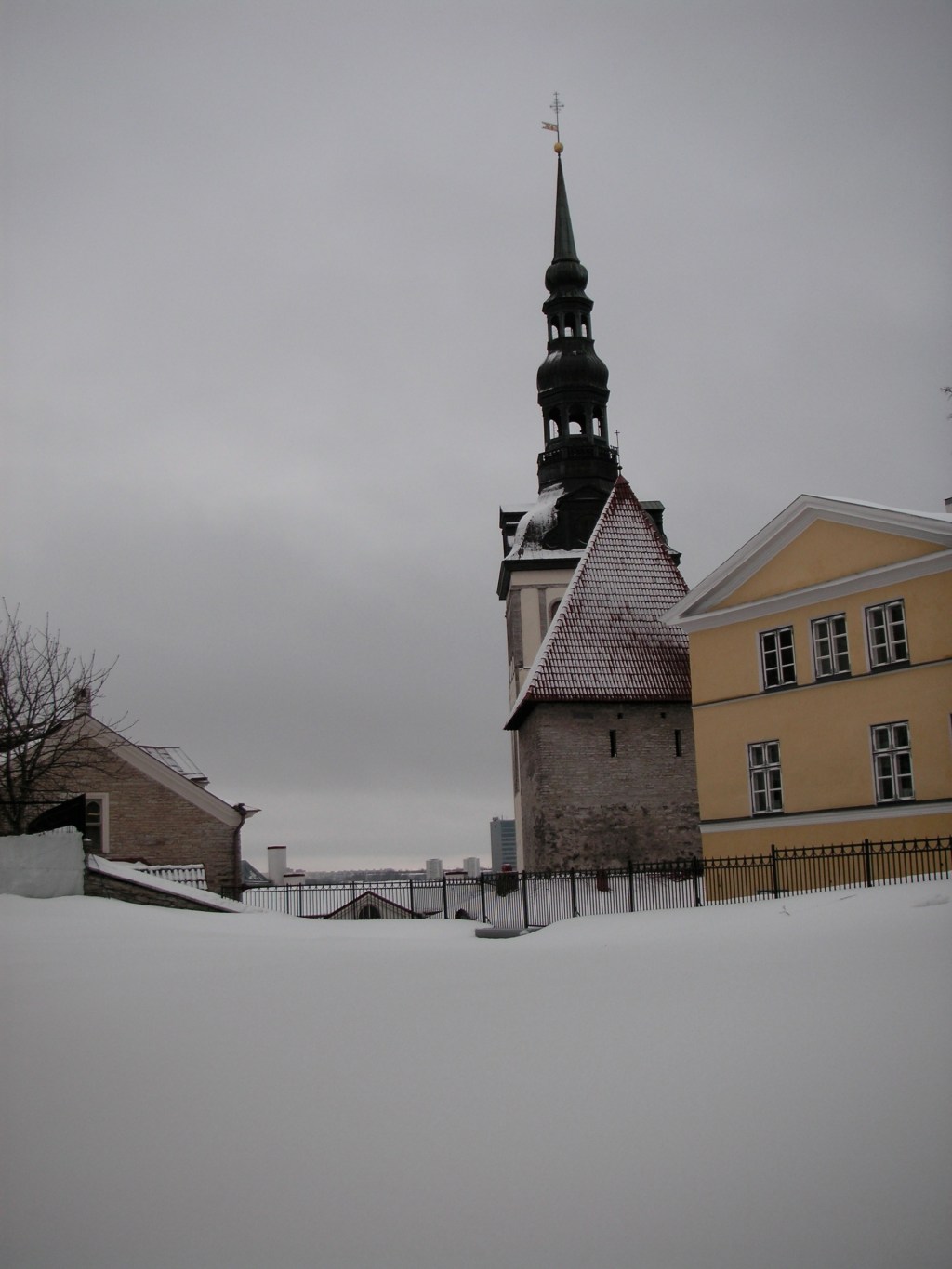
    It is almost twenty years now when Danish author Peter Høeg published his novel (1992) Frøken Smillas fornemmelse for sne, in English Smilla’s Sense of Snow (1996 in English). I could not at that time understand all the possible turns and meanings that the novel encompassed but was still very thrilled by the beauty of the snow. In the book, the character Smilla has an extraordinary ability to understand all types of snow, and name them.

    What was so thrilling for me was the idea of snow being so central to one’s experiences and consciousness. In Finland (Norway, Sweden, Russia), the indigenous circumpolar Sami People, had hundreds of words for snow in their language defining the qualities of snow. Their traditional way of life included reindeer herding, and nomadic lifestyle was dependent on the snow conditions in pastures especially in winter. People knew how to define the snow.

    In the arctic, the sensing of nature is important. I was growing up in a close relation to the nature. The aesthetics of snow come to my sensing of art and design. Shaping snow into ice and experiencing it in the landscape.

    Another creative, artist Marc Chagall took inspiration from snow and wintry landscapes. One of his signature paintings is Over Vitebsk. The beauty of the painting is in the flying figure, and in the silent houses below him. Everything seems to be resting in the quiet of snow, yet there is an undercurrent movement. Chagall is having a nostalgic dream and sees his past hometown in a picturesque image full of movement and life.

    I saw couple of recent Chagall shows pondering the corpus of his works. How little I knew that he had created so diverse collections in the United States.  I went to Philadelphia twice in the summer and saw the exhibition where curators wished to frame Chagall next to his fellow avant-garde Parisians. Again, Chagall’s presence in Philadelphia was surprisingly vivid.

  • Asian art markets

    Asian art markets

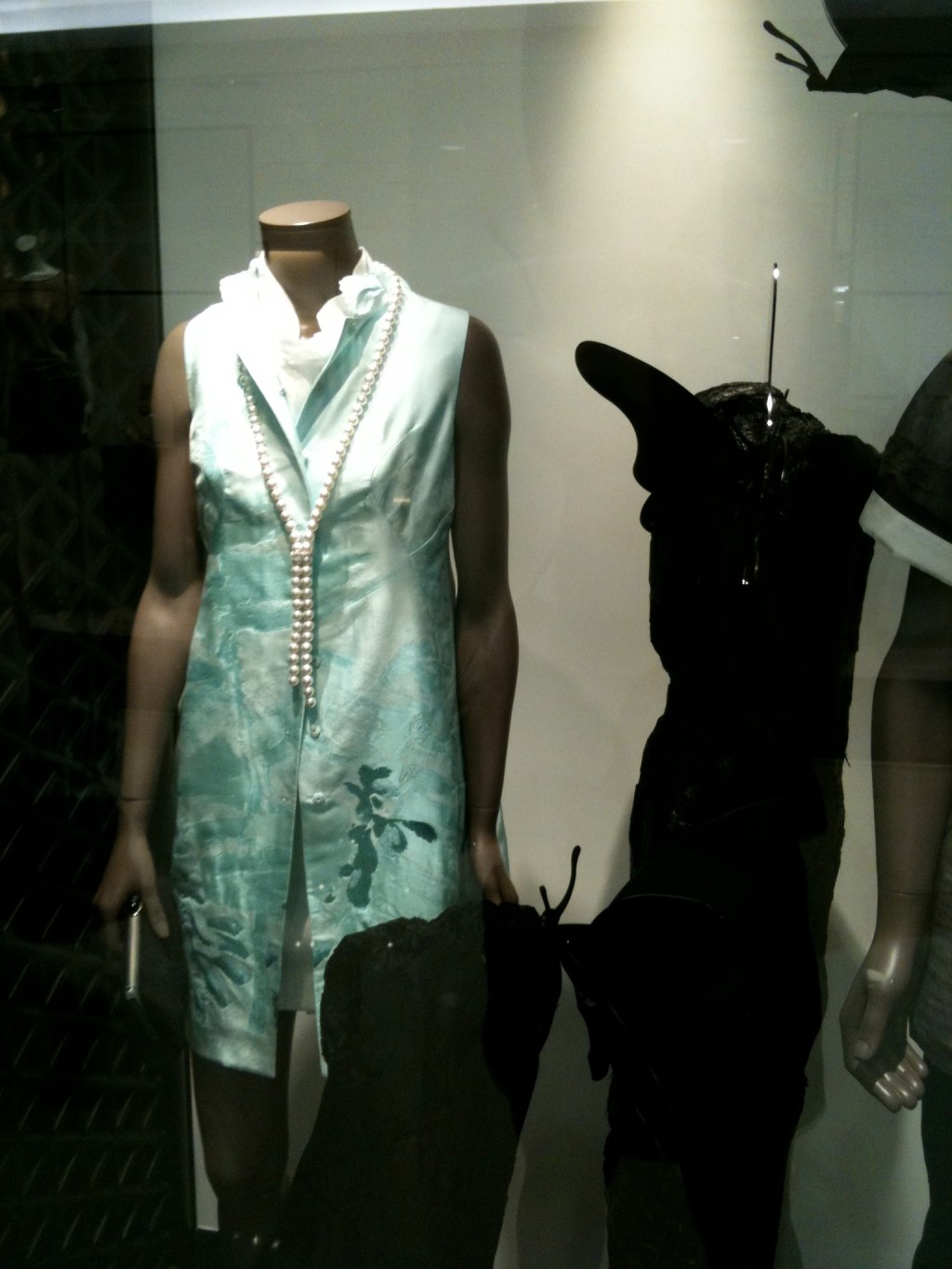
    Does copycatting rule the Asian markets, where much of the world’s small technological innovation is located? Mobile-phone industries, small pieces in massive volume are centrally part of the future of the east.  What I find problematic in America is that the ‘westerner’ thinks we have invented it all. Today’s Asia is very creative, the arts are sensationally inventive, international, and not hostile at all in terms of who gets to participate. But, is there still a question of freedom of speech (what one is allowed to say and where) stirring in the air? Perhaps societal problems can build a frame for creation, meaning that when one comes from the ‘margins’ the experiences enhance new creativity? Artists and designers have to make it work and gain new presence in the world? All good signs. This reminds me of Finland too. A small nation started striving to get visibility with its original designs approximately hundred years ago. Design and fashion have become visible in almost every corner of the bigger cities in Asia, then the performing arts are moving forward. The traditions are remarkably present in design, and there seems to be value towards local traditions also in the new works of art. Yet, impacts of globalism are present; slums in the city corners and prostitution. The discussion about the trafficking of people has become loud.